CEA PROJECTS
CEA Projects
CEJ implement projects that focuses on vulnerable communities, policy leaders, decision makers, traditional leaders, government, cooperating partners and private sector. CEA’s approach is to engage all critical and important stakeholders in the environmental space.
year of experience
Projects
communities reached
Advancing Responsible Mineral Extraction and Community Rights in Zimbabwe (RECR): 2024-2026
Project Summary
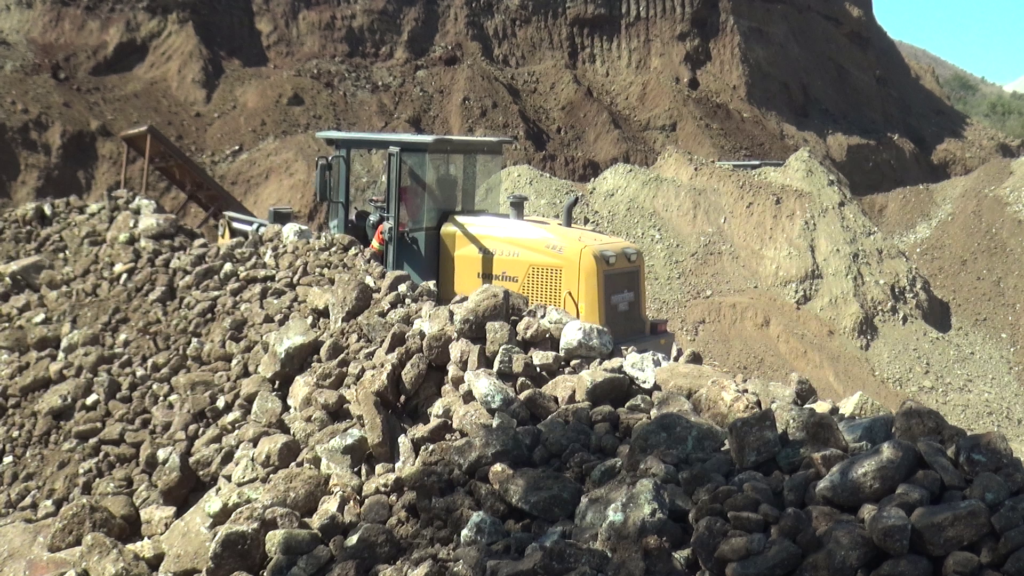
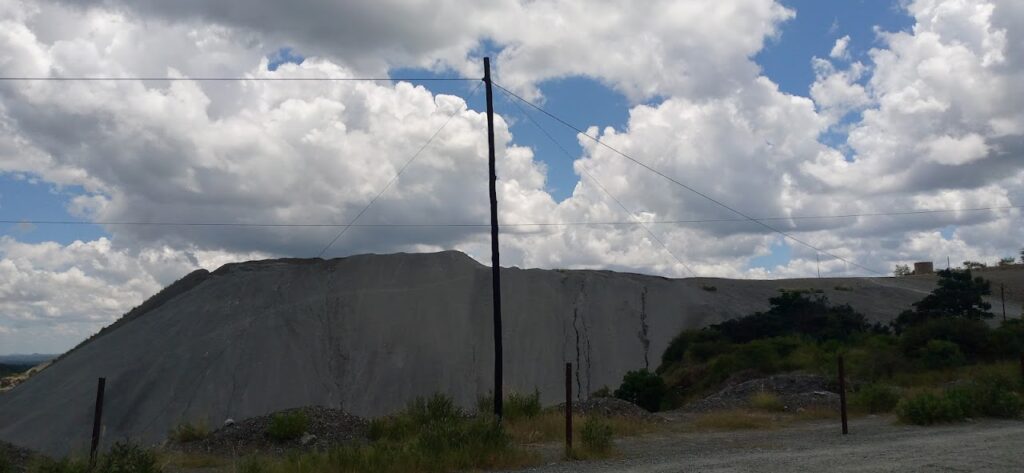
The Centre for Environment Accountability (CEA) is implementing the Advancing Responsible Mineral Extraction and Community Rights in Zimbabwe in Masvingo rural, Zvishavane rural, Shurugwi, Bikita and Chivi project. This initiative seeks to address the environmental, social, and governance challenges arising from mining activities in the southern part of Zimbabwe, with a focus on communities in Midlands and Masvingo province. By promoting Responsible Business Conduct (RBC) within the mining sector, RECR aims to foster sustainable development, protect community rights, and enhance collaboration between mining companies, local authorities, and affected communities. Through multi-stakeholder dialogues, capacity-building programs, and policy advocacy, the project will contribute to a more transparent and equitable mining sector in Zimbabwe.
Project Objective
1. To strengthen enforcement and compliance mechanisms in the mining sector by equipping local authorities and regulatory agencies with the knowledge and skills needed to monitor and enforce environmental and social standards. 2. To enhance community engagement and dialogue between mining companies, government agencies, civil society organizations (CSOs), traditional leaders, and local communities to foster mutual trust and transparency. 3. To promote Responsible Business Conduct (RBC) by encouraging mining companies to adopt environmentally sustainable, socially responsible, and legally compliant practices. 4. To protect community rights by ensuring that community concerns are addressed and that land and environmental rights are respected within mining zones.
Expected Results
Strengthened Institutional Capacity: Regulatory agencies and local authorities in Midlands and Masvingo province will have enhanced capacities to enforce regulations, conduct monitoring, and ensure compliance in the mining sector. Improved Community-Company Relationships: Increased collaboration and trust among stakeholders, including local communities, mining companies, and government agencies, through regular and structured dialogue. Adoption of Responsible Mining Practices: Mining companies will demonstrate increased commitment to RBC principles, incorporating environmental protection, fair labor practices, and social responsibility into their operations. Enhanced Community Rights and Advocacy: Communities affected by mining activities will gain a stronger voice, with greater awareness of their rights and improved avenues to address grievances related to land, health, and environmental impacts.
Strengthening Community Resilience Against Illegal Mining: 2024
Project Summary
The Centre for Environmental Accountability (CEA) is excited to announce the launch of the “Strengthening Community Resilience Against Illegal Mining” project, an innovative initiative focused on combating the urgent issue of illegal mining in Mashava. With the rising global demand for minerals and timber, illegal mining activities have become rampant, resulting in significant environmental degradation and posing serious threats to the health and livelihoods of local communities in Zvishavane, Mashava and shurugwi. Illegal mining is not only an environmental crisis but also a direct threat to the well-being of community members. The uncontrolled extraction of manganese has led to deforestation, air and water pollution, and serious health risks associated with exposure to toxic substances. Recognizing the urgent need for action, CEA is committed to empowering communities to advocate for their rights and protect their environment. The project focuses on raising awareness about the detrimental effects of illegal mining while equipping communities with the knowledge and tools necessary to combat these harmful practices. Through educational workshops and community engagement initiatives, we aim to emphasize the critical importance of sustainable practices and the long-term consequences of illegal mining on both the environment and public health.
Project Objective
• Raise Awareness: Educate community members about the negative impacts of illegal mining on health and the environment. • Foster Engagement: Mobilize community members to actively participate in combating illegal mining activities. • Promote Sustainable Livelihoods: Offer training and resources for alternative, eco-friendly income-generating activities to reduce dependence on illegal mining. • Form a Resilience Network: Establish a Community Resilience Network to amplify local voices in decision-making processes and governance. • Train Social Auditors: Equip community members with skills to report illegal activities anonymously through the CEA app, ensuring a safer reporting process. • Empower Communities: Provide training in conflict resolution, resilience building, and advocacy, enabling community members to effectively address local challenges.
Strengthening the Respect of Environmental Rights in the Southern parts of Zimbabwe.
Project Summary
The ‘Strengthening the Respect of Environmental Rights in Zimbabwe’ (SR4ERZ). Its overarching goal is to bring about significant positive changes in Zimbabwe’s environmental rights landscape. The project adopts a multifaceted approach to achieve this aim. The project focuses on empowering civil society organizations (CSOs) and rights holders by providing them with technical knowledge of environmental rights and reporting channels. Capacity building workshops are conducted to offer training sessions and mentoring programs for both rights holders and duty bearers, enhancing their understanding of environmental rights issues and improving their response to such challenges. Furthermore, the project advocates for policy improvements, including the establishment of an Environmental Court and the incorporation of environmental rights into legislation. It fosters networks among stakeholders, facilitating information sharing and solidarity. Additionally, it raises public awareness and respect for environmental rights through media campaigns and training initiatives for media actors, utilizing national print and digital platforms aligned with advocacy objectives. Economically, the project supports duty-bearer groups in advocating for increased budget allocations, laying the groundwork for enhanced resource allocation. To achieve its objectives, the project actively tracks and lobbies for increased public finance allocations dedicated to environmental justice. The project also provides support for district dialogues, such as the Environmental Protection Dialogue (EPD), Forest Indaba, and Msvingo and midlands Alternative Mining Indaba. This support, in the form of financial and technical assistance, enhances inclusivity and amplifies the impact of these dialogues. Ultimately, the SR4ERZ project envisions a strengthened respect for environmental rights and improved access to a clean, safe, and sustainably managed environment in Zimbabwe, all while maintaining a minimal environmental footprint in its operations.
Project Objective
The project’s objectives are threefold: 1. To empower civil society organizations (CSOs) and rights holders by enhancing their technical knowledge and capacity to exercise their environmental rights; 2. To strengthen the capacity of duty bearers, such as government agencies, to effectively implement and enforce environmental laws; 3. To enhance dialogue and collaboration among stakeholders to improve the regulatory environment and ensure accountability. Expected Results 1. Increased technical knowledge and awareness among civil society organizations (CSOs) and rights holders regarding environmental rights and reporting channels. 2. Enhanced capacity of duty bearers to acknowledge, respond to, and address environmental violations effectively. 3. Lasting improvements in the regulatory environment through evidence-based advocacy campaigns, including the establishment of an Environmental Court and the incorporation of environmental rights into legislation. 4. Strengthened social networks among stakeholders, facilitating information sharing and solidarity within communities. 5. Heightened public awareness and respect for environmental rights through targeted media campaigns and training initiatives for media actors. 6. Support for duty bearer groups in advocating for increased budget allocations for environmental rights, paving the way for improved resource allocation. 7. Strengthened institutional capacity and compliance systems of participating organizations, positioning them for future funding opportunities and sustainability. 8. Overall, the project aims to contribute to a Zimbabwe where environmental rights are respected, leading to a cleaner, safer, and sustainably managed environment for all its inhabitants. Project Implementation Areas The CEA specific province of implementation under this project include Masvingo and Midlands.